For long-term protection against teeth grinding, a dentist-made custom night guard is usually the right call. It fits your bite exactly, holds up to years of heavy grinding, and protects both your teeth and any existing dental work far better than anything off a drugstore shelf. That said, a custom guard isn’t always available the same week you notice the problem, so a few short-term paths are worth knowing.
If you can’t get into a dentist right away, a quality boil-and-bite guard can bridge the gap for a few weeks. Stock, one-size guards should only be considered for very mild, occasional grinding, and even then only briefly. Here’s what to do right now:
- Check for damage first. Look at your teeth for new chips, flattened edges, or sensitivity that wasn’t there before.
- Book a dental visit if you notice wear, jaw pain, or a partner mentions hearing you grind at night. Waiting lets damage compound.
- Use an OTC guard only as a bridge, not a permanent fix, while you arrange a proper evaluation and fitting.
Key Takeaways
Custom night guards protect teeth more reliably and last years longer than store-bought options, but the right choice always depends on grinding severity and existing dental work.
| Point | Details |
|---|---|
| Custom guards win for chronic cases | They fit precisely, resist heavy grinding, and last 3 to 5 years with care. |
| OTC guards are a bridge, not a fix | Boil-and-bite guards work short-term but typically wear out within a year. |
| Watch for red flags | Chipped teeth, jaw pain, or a loose restoration mean it’s time for a dental visit. |
| Guards protect, they don’t cure | Managing stress and sleep habits matters alongside wearing any mouthguard. |
| Completedentalcare offers digital-scan custom guards | The practice fits, adjusts, and follows up on custom night guards using in-house digital scanning. |
Table of Contents
- What Type of Night Guard for Bruxism Works Best?
- Who Actually Needs a Custom Night Guard?
- How Is a Custom Night Guard Made?
- Choosing and Using a Boil-and-Bite Mouthguard for Teeth Grinding
- How Long Does a Mouthguard Last?
- What Should You Look for Before Buying a Guard?
- Cleaning, Storing, and Replacing Your Guard
- What Are the Downsides of Wearing a Mouthguard?
- Beyond the Guard: Managing Bruxism as a Whole
- How We Approach Night Guards for Grinding Patients
- A Straight Answer on Why Custom Guards Win Long-Term
- How Complete Dental Care Can Help With Night Guard Fitting
- Sources
What Type of Night Guard for Bruxism Works Best?
The three main options for teeth grinding protection are custom dentist-made guards, boil-and-bite guards you shape yourself, and stock guards you wear straight out of the package. They differ enormously in fit, cost, and how long they actually last.
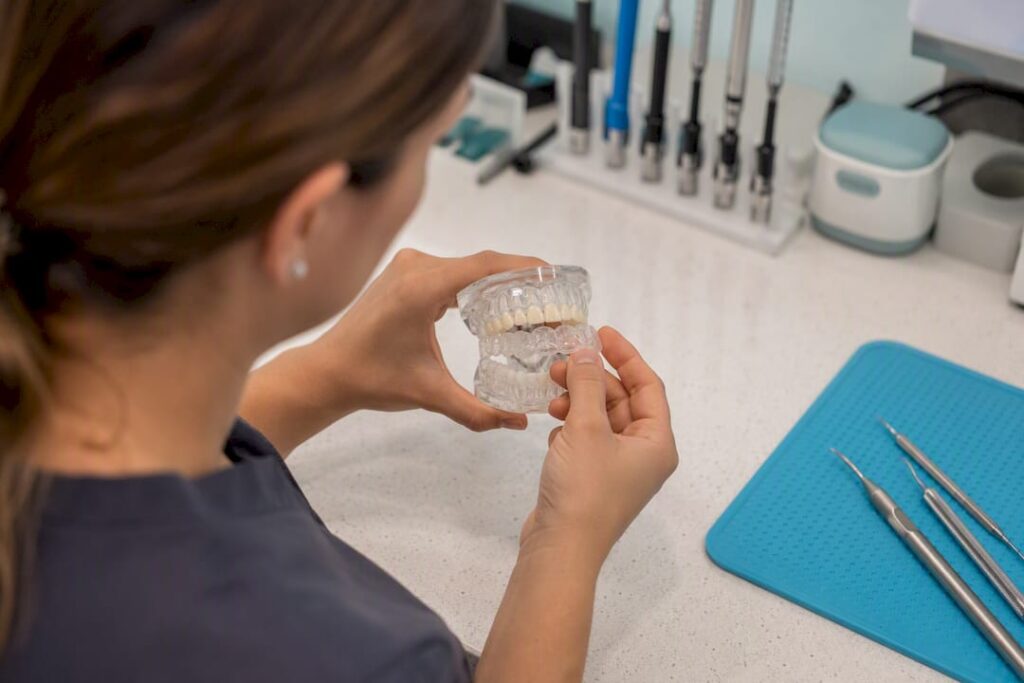
Custom night guards are made from an impression or digital scan of your teeth, then fabricated in a dental lab to match your exact bite. Dentists recommend them for chronic or severe bruxism because they distribute grinding forces evenly and don’t shift during the night, according to Cleveland Clinic. Boil-and-bite guards use thermoplastic material you soften in hot water and bite into to create a rough impression of your teeth. Stock guards come pre-formed in a few generic sizes with no customization at all.
Colgate’s comparison of over-the-counter and custom night guards notes that OTC guards are less accurate than custom-made ones and, in some cases, have been linked to tissue irritation or fit problems. That’s the trade-off: OTC guards are cheap and fast, custom guards cost more upfront but protect better and last years longer.
Custom guards work well when:
- You have chronic or severe grinding confirmed by a dentist
- You have crowns, veneers, or other restorations to protect
- You need something durable enough for nightly, heavy use
Boil-and-bite or stock guards make sense when:
- Your grinding is mild, occasional, or newly noticed
- You need something immediately while waiting for a dental appointment
- Budget is a genuine barrier and a dentist has confirmed your case is low-risk
Who Actually Needs a Custom Night Guard?
Not everyone grinding their teeth needs a lab-fabricated appliance right away, but certain signs point clearly toward one. Bruxism itself involves involuntary clenching or grinding that can wear down enamel, crack teeth, and trigger jaw pain, and Mayo Clinic lists stress, caffeine, and tobacco use among the common contributors. When the damage is already visible, it’s time to move past a drugstore fix.
Watch for these clinical indicators:
- Visible flattening, chipping, or fracturing of tooth surfaces
- Crowns, veneers, bridges, or fillings at risk from constant contact
- Frequent morning headaches or jaw soreness
- A partner or roommate reporting loud grinding sounds at night
- Clicking, popping, or pain in the jaw joint (a possible TMJ symptom)
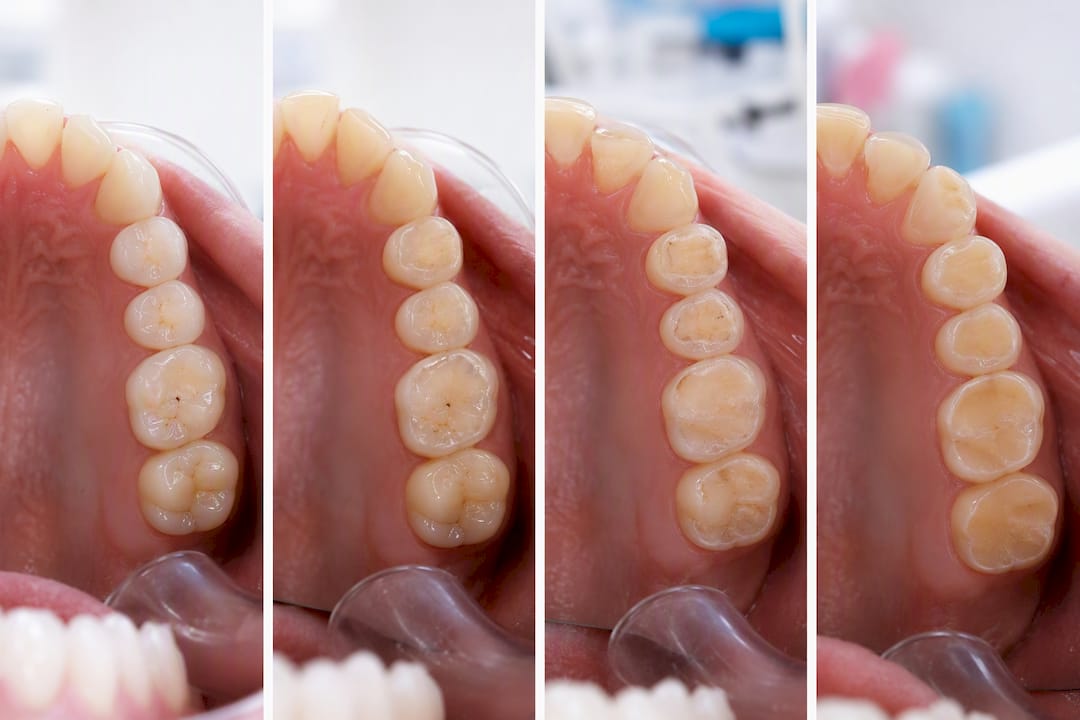
A simple self-check helps here: run your tongue over your molars and look in a mirror at your front teeth’s edges. Flat, shiny facets where there used to be natural ridges are a telltale sign of active grinding. If you spot new chips or a tooth that suddenly feels different when you bite down, that’s not a wait-and-see situation.
Pro Tip: Take a photo of your teeth every few months. Grinding damage progresses slowly, and a side-by-side comparison often reveals wear you’d otherwise miss day to day.
When you do get to the dentist, mention exactly what you’ve noticed: jaw pain on waking, a specific tooth that feels off, or a partner’s complaint about nighttime noise. Symptoms like sudden severe jaw pain, a tooth that feels loose, or a restoration that’s cracked justify calling for an earlier appointment rather than waiting for your next routine cleaning.
How Is a Custom Night Guard Made?
Getting a custom guard is a straightforward process, but knowing the steps ahead of time makes the whole thing feel less like a mystery.
- Exam and diagnosis. Your dentist checks for wear patterns, restorations at risk, and jaw joint health to confirm bruxism and rule out other causes of tooth damage.
- Impression or digital scan. Either a physical mold or a digital scanner captures the exact shape of your teeth and bite relationship.
- Lab fabrication. A dental lab builds the guard to spec, typically over one to two weeks.
- Fitting and adjustments. You return to have the guard checked for pressure points, bite alignment, and comfort, with small trims made on the spot.
- Follow-up. A short-term check ensures the guard is holding its fit and doing its job without causing new jaw strain.
Material choice matters more than most people realize. Hard acrylic guards are the most durable and typically prescribed for heavy grinders. Dual-laminate guards pair a soft inner layer with a rigid outer shell, giving comfort without sacrificing strength. Soft, flexible guards suit lighter clenching but wear through faster under real grinding force.
Cost and timeline depend on a few variables:
- Material complexity: hard acrylic tends to cost less than dual-laminate designs.
- Number of arches covered: most patients need only an upper guard, but some cases call for both.
- Lab route: in-office fabrication with same-week digital milling costs more than guards sent to an outside lab.
- Direct-to-consumer labs: companies like Smile Brilliant let you order impression kits by mail, skipping the dental visit entirely, which trims cost but removes clinical oversight of fit and diagnosis along the way.
That last point is worth sitting with. A direct-to-consumer kit can work fine for someone who has already been diagnosed with bruxism and just needs a guard, but it can’t tell you if a filling is about to crack or if your jaw pain is actually a TMJ disorder. A dentist checking your mouth in person catches things a self-administered impression kit never will.
Choosing and Using a Boil-and-Bite Mouthguard for Teeth Grinding
If a custom guard isn’t within reach yet, not every boil-and-bite guard on the shelf is equally good. A few features separate a decent option from a waste of money.
Look for:
- Material thickness of at least 3 to 4 millimeters before molding, since thinner guards wear through fast under grinding forces
- Clear boiling and biting instructions, ideally with a recommended water temperature and bite time
- A reasonable return or satisfaction policy, since fit issues are common on a first try
- FDA-registered or dental-grade labeling rather than generic sports mouthguards repurposed for grinding
Fitting one correctly takes patience. Rushing the process is the single biggest reason people end up with a guard that feels bulky or falls out overnight.
- Boil water and soften the guard exactly as long as the package instructs, no longer.
- Let it cool for the few seconds specified so it doesn’t burn your gums.
- Bite down firmly and evenly, using your tongue and fingers to press the material against your teeth and gumline.
- Hold the bite for the full recommended time without releasing early.
- Trim any excess material once it’s cooled and hardened.
Common mistakes include biting down unevenly (leading to a guard that fits one side better than the other), pulling it out before it’s fully set, and reheating it repeatedly, which breaks down the material faster.
Even a well-molded boil-and-bite guard has real limits. Colgate points out that these guards are less accurate than dentist-made options and, in some cases, have been associated with tissue irritation. Treat one as a bridge, not a permanent solution, and watch for these warning signs to stop using it:
- Persistent gum irritation or sores that don’t improve
- A crown, filling, or veneer that feels loose or damaged
- Jaw pain that gets worse rather than better
- A guard that no longer fits snugly after a few weeks of use
How Long Does a Mouthguard Last?
Lifespan varies a lot depending on material and how hard you actually grind, so it helps to know what to expect from each option before you buy.
Soft thermoplastic guards, the kind found in most boil-and-bite kits, generally last under a year under moderate use and less if your grinding is severe. Hard acrylic custom guards are built for the long haul and can last several years with proper care. Dual-laminate guards sit in between, typically five years but sometimes needing replacement sooner if the inner soft layer breaks down before the shell does.
A few things speed up wear regardless of material:
- Heavy nightly grinding puts far more stress on any appliance than occasional light clenching
- Misaligned teeth create uneven pressure points that wear through material faster in specific spots
- Poor cleaning habits let bacteria and buildup degrade material integrity over time
- Clenching during the day (in addition to nighttime grinding) shortens the lifespan of any guard
Dental insurance sometimes covers part of the cost of a replacement guard, particularly if a dentist documents worsening bruxism or damage to the existing appliance. It’s worth calling your insurance provider directly, since coverage for oral appliances varies widely between plans and is rarely automatic.
What Should You Look for Before Buying a Guard?
Choosing the right mouthguard for teeth grinding comes down to matching the guard to how severe your grinding actually is, not just picking whatever’s cheapest or most convenient.
Run through this checklist in order of priority:
- How severe is your grinding? Visible wear or reported nighttime noise pushes you toward custom; occasional mild clenching allows OTC.
- Do you have restorations to protect? Crowns, veneers, or bridges tip the decision firmly toward a dentist-made guard.
- How much does comfort and fit matter to you? If you’ve tried an OTC guard and hated the bulk or looseness, a custom fit solves that directly.
- What’s your budget, and can you spread the cost? Many practices offer financing or savings plans that make custom guards more affordable than the sticker price suggests.
- Do you want follow-up adjustments? A dentist-made guard usually comes with at least one adjustment visit; most OTC purchases don’t.
If you’re ordering online or from a supplier, ask directly:
- What material is the guard made from, and how thick is it?
- What’s the return or remake policy if the fit is off?
- Is there any clinician review of my bite before the guard ships?
- What’s the expected lifespan under regular use?
Red flags that should send you to a dentist instead of a store shelf: existing restorations, jaw pain that’s new or worsening, teeth that have visibly changed shape, or a partner reporting grinding loud enough to wake them up. Any of those means the stakes are higher than a $20 guard can handle.
Is a custom night guard worth the extra cost compared to a store-bought one? For anyone with restorations, chronic grinding, or jaw pain, yes. The precision fit prevents the guard from shifting overnight, which is exactly when OTC guards tend to fail.
Can I use a boil-and-bite guard permanently instead of getting a custom one? You can, but dentists generally advise against it for moderate to severe bruxism since the material breaks down faster and won’t protect restorations as reliably.
Cleaning, Storing, and Replacing Your Guard
A guard is only as good as its hygiene. Bacteria build up fast in a warm, moist appliance you wear for hours every night, so a simple routine matters.
- Rinse it with cool water immediately after removing it, before saliva and plaque have a chance to dry onto the surface.
- Brush it gently with a soft toothbrush, using mild soap or a non-abrasive cleaner rather than regular toothpaste, which can scratch the material.
- Soak it weekly in a denture or retainer cleaning solution to reach bacteria a toothbrush misses.
- Air-dry it fully before placing it back in its case to prevent moisture buildup.
For storage, keep the guard in a ventilated case rather than sealed in an airtight bag or pocket, and never leave it in direct sunlight or a hot car, since heat warps most materials. Avoid boiling a custom or dual-laminate guard the way you would a boil-and-bite; the heat that reshapes one material can permanently ruin another.
Replace your guard when you notice:
- A looser or shifted fit compared to when it was new
- Persistent odor that cleaning doesn’t resolve
- Visible cracks, thinning, or holes in the material
- New dental work (a crown, filling, or extraction) that changes your bite
What Are the Downsides of Wearing a Mouthguard?
Mouthguards solve a specific problem well: protecting teeth from grinding forces. They aren’t a cure for bruxism itself, and it helps to know the realistic limits before you expect too much from one.
Side effects tend to be minor but worth watching for:
- Increased saliva production for the first week or two of wearing a new guard
- Temporary bite changes or jaw soreness as your mouth adjusts
- Gum or cheek irritation, especially with a poorly fitted OTC guard
- Rare allergic reactions to certain plastics or latex-adjacent materials
The bigger limitation is what a guard can’t do. It creates a barrier between your teeth, but research on bruxism treatments shows mixed evidence on whether guards actually reduce the muscle activity driving the grinding in the first place. Mayo Clinic’s own guidance on bruxism treatment confirms a guard reduces tooth wear but isn’t guaranteed to stop the underlying clenching.
If your jaw pain worsens after starting to wear a guard, or if you notice new headaches, don’t just push through it. That’s usually a sign the fit needs adjusting or the material isn’t right for your bite, and it’s worth a follow-up visit rather than continued nightly wear.
Beyond the Guard: Managing Bruxism as a Whole
A mouthguard protects your teeth, but the National Institute of Dental and Craniofacial Research notes that addressing the underlying drivers of bruxism, like stress and sleep habits, matters just as much for long-term relief.
Adjuncts worth discussing with your dentist include:
- Stress management and relaxation techniques. Progressive muscle relaxation and mindfulness are described by the National Center for Complementary and Integrative Health as low-risk options that can ease stress-related muscle tension tied to awake bruxism.
- Sleep hygiene review. Cutting evening caffeine and screen time can reduce the sleep disruptions that worsen nighttime grinding.
- Physical therapy for jaw muscles. A therapist can address chronic tension in the jaw and neck that a guard alone won’t touch.
- Medication review. Some medications increase bruxism as a side effect, so your dentist may loop in your physician to check.
If grinding coexists with loud snoring, gasping during sleep, or persistent daytime fatigue, that combination points toward possible sleep-disordered breathing, and a referral for a sleep study may be the more useful next step than another guard adjustment. Dentists routinely coordinate with sleep specialists or TMJ specialists in these cases, folding the guard into a broader plan rather than treating it as the whole solution.
How We Approach Night Guards for Grinding Patients
We start every bruxism evaluation the same way: by looking for the actual evidence of wear, not just taking a patient’s word for it. Flattened cusps, hairline fractures, and restorations under strain tell us more than a self-reported “I think I grind” ever could. From there, we use digital scanning rather than the old-style putty impressions, which means a more accurate custom guard and no gagging on a tray of alginate.
What we hear most often from patients switching from a drugstore guard is relief that something finally stays put overnight. That’s the whole point of a precise fit. We also build in a follow-up adjustment as standard, because a guard that felt right on day one sometimes needs a small tweak once you’ve slept in it for a week.
If you’ve noticed new wear, jaw soreness, or a guard that just isn’t cutting it anymore, scheduling an evaluation is the simplest next step.
A Straight Answer on Why Custom Guards Win Long-Term
Here’s the uncomfortable truth about most bruxism advice online: it treats the OTC-versus-custom decision as a matter of preference, when it’s really a matter of how much damage you’re willing to risk. A $20 boil-and-bite guard isn’t a lesser version of a custom guard, it’s a fundamentally different tool built for a different problem. It’s fine for someone testing the waters with mild, occasional clenching. It is not fine for someone with three crowns and a jaw that aches every morning.
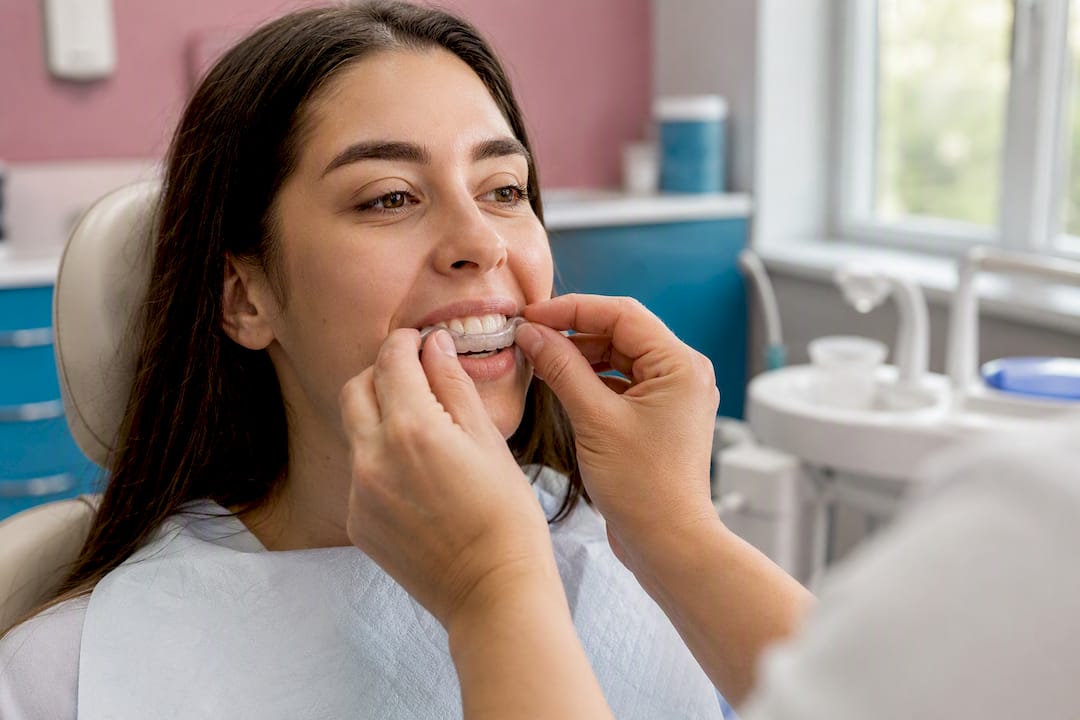
What gets underweighted in most buying guides is how much the fit itself matters to whether you’ll actually wear the thing. A bulky, ill-fitting OTC guard gets left in the nightstand drawer after two uncomfortable nights, and an unworn guard protects nothing. The real cost comparison isn’t $30 versus $500. It’s a guard you’ll actually use every night versus one you won’t.
The other piece people miss: a night guard, custom or otherwise, is a defensive tool. It stops damage from accumulating, but it doesn’t touch the reasons you’re grinding in the first place. Anyone who gets a beautifully fitted guard and assumes the problem is solved is missing half the picture. Stress, sleep, and muscle tension still need attention, guard or no guard.
How Complete Dental Care Can Help With Night Guard Fitting
If you’ve read this far, you already know a proper fit is what separates a night guard that actually protects your teeth from one that ends up in a drawer. Completedentalcare builds custom night guards using in-house digital scanning, so there’s no messy impression tray and no guesswork about how your bite lines up.

Your first visit starts with an exam to check for wear, restorations at risk, and any jaw discomfort, followed by a digital scan if a custom guard is the right fit for your situation. If you already have crowns, veneers, or other restorative work, that history matters, since it directly affects how urgently you need protection and what material makes sense. Bring a list of your current medications and any specific symptoms you’ve noticed, like morning jaw soreness or a partner mentioning nighttime grinding. Financing and insurance details get sorted out before treatment starts, and every guard fitting includes a follow-up adjustment so it feels right once you’ve actually slept in it. Schedule an evaluation with Complete Dental Care to get started.
Sources
This article is general information, not a substitute for advice from a qualified doctor. Consult a qualified healthcare professional about your own circumstances before acting on anything here.