
A single diagnostic X-ray is generally not expected to harm a fetus, and medically necessary imaging should not be delayed because of pregnancy. The FDA, ACOG, and ADA all agree the benefit of a needed exam usually outweighs the small theoretical risk. Dental and chest X-rays fall into the lowest-risk category, since the imaging beam never reaches the reproductive organs.
questions about this? we're happy to help.
Every patient's situation is a little different. If you want to talk through what this means for you, our Greenville team is one call away.
schedule a free consultationTable of Contents
- Are Dental and Chest X-Rays Safe During Pregnancy?
- When Does Abdominal or Pelvic Imaging Actually Raise Fetal Risk?
- What Should You Do Before Getting an X-Ray While Pregnant?
- How Does a Diagnostic X-Ray Dose Compare to Everyday Radiation?
- Had an X-Ray Before You Knew You Were Pregnant?
- Complete Dental Care’s Clinical Perspective on Dental X-Rays During Pregnancy
- Getting Pregnancy-Aware Dental Care When You Need It
- Sources
- FAQ
Are Dental and Chest X-Rays Safe During Pregnancy?
Dental, chest, head, and arm or leg X-rays share one thing in common: the beam is aimed far from the uterus, so scattered radiation reaching a fetus is minimal to none. That geometry is why these exams sit at the bottom of the risk scale, not the top.
The ADA states that dental radiographs are considered safe during pregnancy, and both the ADA and ACOG warn that delaying necessary dental treatment can pose risks that outweigh the very small risk from a radiograph. A cracked tooth or a hidden abscess left untreated for months is a real problem; a single periapical film needed for diagnosis is not considered risky.
- Dental X-rays: Beam targets the jaw and teeth, nowhere near the abdomen.
- Chest X-rays: Common for diagnosing pneumonia or checking a persistent cough; the chest cavity is well above the uterus.
- Head and dental CBCT: Used for sinus or jaw evaluation; exposure at the pelvis is negligible.
- Arm and leg X-rays: Standard for suspected fractures, with essentially no scatter toward the fetus.
One practice has quietly changed in recent years: routine lead apron shielding over the abdomen for non-pelvic exams is no longer automatically recommended. Modern X-ray equipment is well collimated, and a shield placed incorrectly can actually interfere with image quality or trigger automatic exposure controls to compensate, sometimes increasing dose elsewhere. Ask your provider what their current protocol is rather than assuming the old rule still applies.
When Does Abdominal or Pelvic Imaging Actually Raise Fetal Risk?
Risk from X-ray imaging during pregnancy is almost entirely a function of two things: which body part is being imaged and how far along the pregnancy is. Abdominal and pelvic X-rays are the ones that put the uterus directly in the beam path, which is why they get more scrutiny than a wrist film or a dental bitewing.
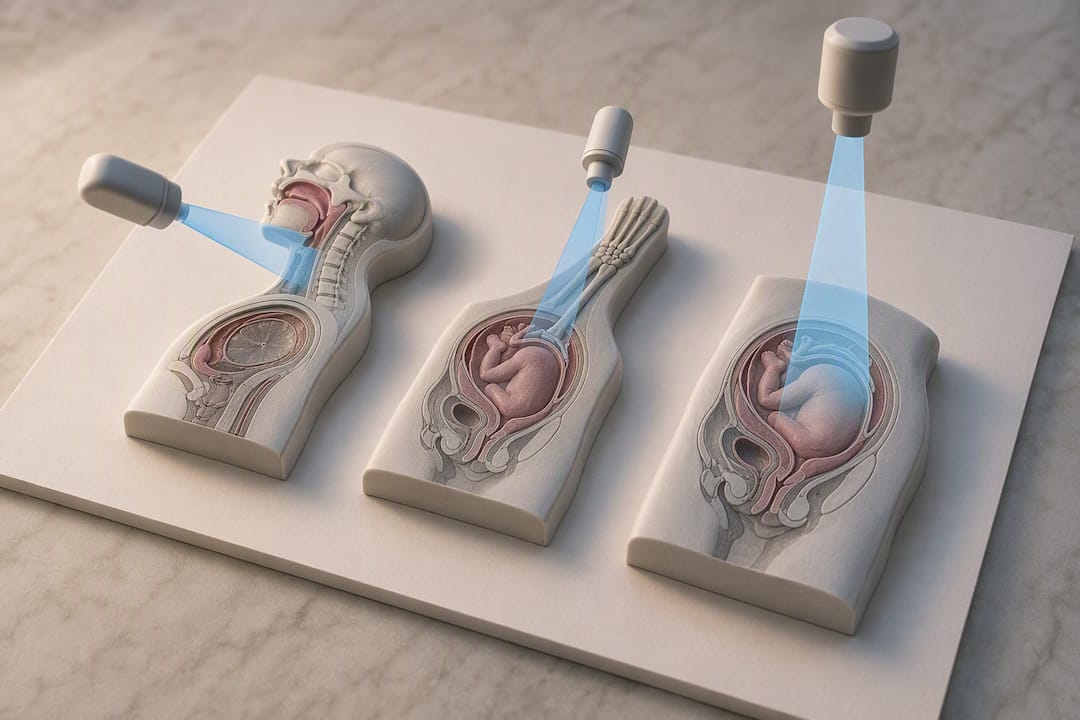
The first trimester carries broad developmental sensitivity, but the window between roughly 8 and 15 weeks gestation is when the developing brain is most vulnerable to radiation effects. That is the period clinicians watch most closely when weighing whether an abdominal scan can wait.
Numbers matter here more than fear. MotherToBaby and the NCBI note that typical diagnostic X-ray doses have not been linked to increased birth defect risk. Effects tied to radiation exposure are generally discussed at doses above roughly 50 millisieverts (mSv), and the doses associated with actual developmental harm in research literature run into the hundreds of mSv, far beyond anything a diagnostic X-ray delivers.
- Single diagnostic X-rays: well under the 50 mSv threshold discussed in reproductive risk literature.
- Cumulative high-dose exposure from repeated abdominal imaging: the scenario that actually warrants individualized review.
- Therapeutic radiation (cancer treatment doses): a completely different category from diagnostic imaging, with doses that can reach levels where risk becomes a real clinical concern.
The practical takeaway: it is dose and body region that drive risk, not the mere fact that an X-ray occurred.
What Should You Do Before Getting an X-Ray While Pregnant?
Tell your dentist or physician you are pregnant, or think you might be, before any imaging is ordered. For abdominal or pelvic exams specifically, most radiology departments now use pregnancy screening protocols, asking about your last menstrual period and sometimes running a pregnancy test, rather than relying on rigid calendar rules. RadiologyInfo, backed by the ACR and RSNA, recommends this screening approach over older timing conventions.
- Disclose your status. Even a “maybe” is worth mentioning; providers would rather screen unnecessarily than miss it.
- Ask about alternatives. Ultrasound and MRI use no ionizing radiation and are often appropriate substitutes for certain diagnostic questions.
- Understand ALARA. As Low As Reasonably Achievable is the guiding principle behind dose settings, collimation, and exposure time on every modern machine.
- Ask about shielding. For non-abdominal exams, shielding may be skipped intentionally to preserve image quality, not out of carelessness.
- Keep a simple record. Note the date and type of any exam so your provider has the full picture if more imaging comes up later.
Pro Tip: Bring a running list of every scan you have had this pregnancy, dental or medical, to each new appointment. It takes thirty seconds and saves a provider from ordering a redundant exam or misjudging your cumulative exposure.
How Does a Diagnostic X-Ray Dose Compare to Everyday Radiation?
Everyone absorbs background radiation constantly, from soil, air travel, and even household granite countertops. The CDC estimates average annual background exposure at about 3 millisieverts (mSv), and MotherToBaby puts typical fetal background exposure around 1 millisievert (mSv) over a similar span.
That gap between typical diagnostic doses and the thresholds tied to harm is the entire reason major health authorities call routine imaging low risk when it is clinically indicated.
- A single diagnostic X-ray is not expected to make you or your milk radioactive; the exposure is instantaneous, not lingering.
- Doses from dental, chest, and limb X-rays sit far below the annual background figure, not above it.
- The dose that matters clinically is cumulative abdominal exposure, not one-off exams outside the abdomen.
Radiation anxiety after a routine exam is common, but the numbers rarely support it.
Had an X-Ray Before You Knew You Were Pregnant?
This happens constantly, and it is rarely a cause for alarm. Most inadvertent diagnostic X-rays taken before a pregnancy was confirmed are not expected to raise the risk of miscarriage or birth defects, since typical exam doses fall so far under the thresholds discussed above.
Still, mention it at your next obstetric visit rather than sitting on it. Bring the date and type of exam if you have it; that detail helps your provider decide quickly whether any follow-up is needed.
- If the exam involved the abdomen or pelvis and multiple images, your provider may request a dose estimate from a medical physicist for individualized counseling.
- If it was dental, chest, or a limb, reassurance is typically all that is required.
- A simple line works well when calling a provider’s office: “I had an X-ray of my [body part] on [date], before I knew I was pregnant. Can you tell me if this needs follow-up?”
Complete Dental Care’s Clinical Perspective on Dental X-Rays During Pregnancy
This practice follows ADA and ACOG guidance on dental imaging, which means diagnoses are not delayed out of unnecessary caution, and films are only ordered when needed. The approach includes a pregnancy screening conversation at check-in, followed by an explanation of why an X-ray is or is not recommended for that visit.
Patients who feel anxious about imaging, pregnant or not, have options here, from calming supports during the appointment to 3D imaging that captures more diagnostic information in a single, optimized exposure.
— Complete Dental Care
Getting Pregnancy-Aware Dental Care When You Need It
Toothaches, cracked fillings, and abscesses do not pause for nine months, and Complete Dental Care treats pregnant patients with the same evidence-based caution outlined throughout this guide: screen first, image only when it changes the treatment plan, and communicate every step before it happens.
If you are due for a checkup, dealing with dental pain, or simply want a provider who takes pregnancy seriously without over-treating, general dentistry care at Complete Dental Care covers everything from routine exams to restorative work. New patients can see exactly what a first appointment involves, including how pregnancy screening fits into intake, on the Your First Visit page. Expecting patients preparing for other appointments this trimester may also find this second trimester checklist useful for planning around scans and visits.
What you can expect at this dental practice:
- A pregnancy screening conversation before any imaging is ordered
- Clear, plain-language explanations of why an X-ray is or isn’t needed
- Comfort supports for anxious patients, including options discussed at your visit
- Use of advanced 3D imaging when more detail is genuinely required
Ready to get a nagging dental issue checked out? Call the office or book your first visit online and mention your pregnancy status when you schedule.
This article is general information, not a substitute for advice from a qualified doctor. Consult a qualified healthcare professional about your own circumstances before acting on anything here.
Sources
- Oral Health Care During Pregnancy and Through the Lifespan | ACOG
- X-Rays, Pregnancy and You | FDA
- Pregnancy | American Dental Association
- X-rays – MotherToBaby | Fact Sheets – NCBI Bookshelf – NIH
FAQ
What is the 10-day rule in radiology during pregnancy?
The 10-day rule was an older convention limiting abdominal X-rays to the first ten days after a menstrual period; most radiology groups now consider it obsolete in favor of direct pregnancy screening through LMP questions and testing.
Is it safe to have an X-ray before I knew I was pregnant?
Yes, in most cases. Typical diagnostic doses from an inadvertent exposure are well below the levels associated with fetal risk, though it is worth mentioning to your provider at your next visit.
What trimester is most sensitive to radiation?
The first trimester carries the broadest sensitivity, with the 8 to 15 week window considered the most vulnerable period for neurodevelopmental effects specifically.
Is it safe to accidentally get a dental X-ray in early pregnancy?
Yes. Dental X-rays target the jaw, far from the uterus, and the ADA and ACOG both consider necessary dental radiographs safe at any stage of pregnancy.
Are dental sealants worth it for kids, and does that relate to X-ray safety?
Dental sealants for kids are a separate preventive measure that has nothing to do with radiation exposure; they are a thin coating applied to back teeth to block decay-causing bacteria, not an imaging procedure.