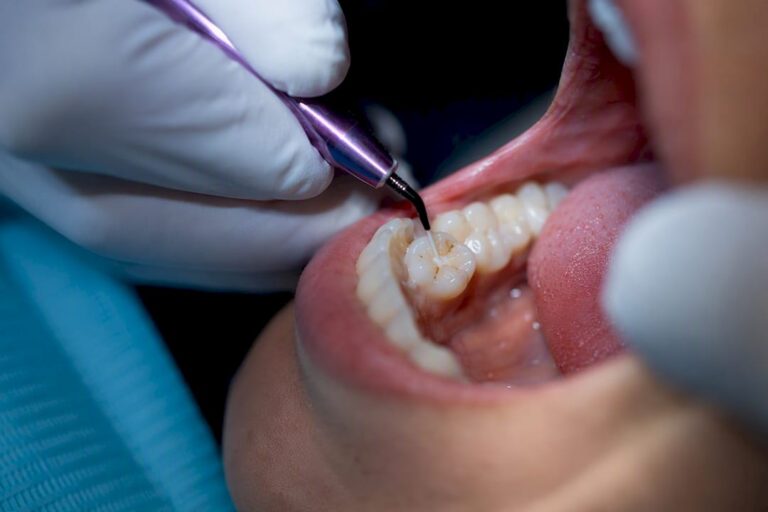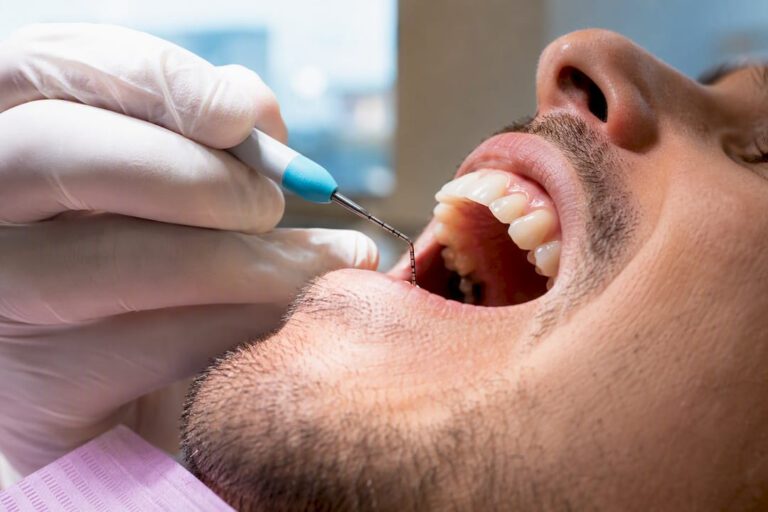

The best schedule for dental checkups is individualized: your dentist sets the interval based on your oral health risk, not a calendar rule. Low-risk adults often do fine with checkups every 12 to 24 months, most adults land around every six months, and higher-risk patients need visits every 3 to 4 months. Your dentist determines which category fits you after an exam and risk assessment, and strong trial evidence backs this approach for most adults.
TL;DR:
- Patients at low risk can safely extend their recall intervals to 24 months, while high-risk individuals may need checkups every three to four months.
- Research shows no significant difference in oral health outcomes between six-month fixed schedules and risk-based intervals over four years.
- A dental checkup typically includes an exam, periodontal screening, cleaning, possible X-rays, and a brief review, lasting 45 to 60 minutes.
- Certain factors like active gum disease, rapid decay, smoking, and extensive restorations increase the frequency of visits to every three to four months.
- Dentists base your personalized schedule on clinical findings, home care, medical history, and risk assessment, allowing adjustments over time.
Table of Contents
- Dental checkup frequency: what counts as a checkup vs. treatment
- What happens during a dental checkup?
- Does research support the 6-month rule?
- Who needs more frequent dental checkups?
- How dentists set your recall schedule (and what it costs)
- How Complete Dental Care personalizes your recall plan
- Balancing evidence with peace of mind
- Schedule an exam that fits your actual risk, not a guess
- Sources
Dental checkup frequency: what counts as a checkup vs. treatment
A checkup is a preventive visit: an oral exam, a periodontal screening, and a cleaning to remove plaque and tartar your toothbrush cannot reach. It is not the same as a treatment visit, where you go in for a filling, a root canal, or an emergency repair.
Checkups exist to catch problems while they are still small and cheap to fix. A routine cleaning removes buildup and lets your dentist spot early decay or gum inflammation before it turns into something painful. Treatment visits get scheduled separately, as needed, and they do not replace your recall plan. If you need a crown replaced in March, that does not shift your next checkup to March. The two schedules run independently.
What happens during a dental checkup?
A typical visit follows a predictable sequence, and knowing it in advance makes the whole thing less nerve-wracking. Your dentist reviews your medical and dental history, checks for changes since your last visit, then works through the exam itself.
- Oral exam checking teeth, gums, tongue, and soft tissue for anything abnormal
- Periodontal screening measuring gum pocket depth and bleeding
- Cleaning with scaling to remove tartar, followed by a polish
- X-rays when clinically indicated, not automatically every visit
- A quick summary of findings and a plan for your next recall
Most visits run 45 to 60 minutes, longer if you need fluoride treatment, sealants, or specialized cleaning around implants. Call earlier than your scheduled date if you notice pain, swelling, bleeding that does not stop, or a loose crown or filling. Those symptoms don’t wait for your next appointment on the calendar.
Does research support the 6-month rule?
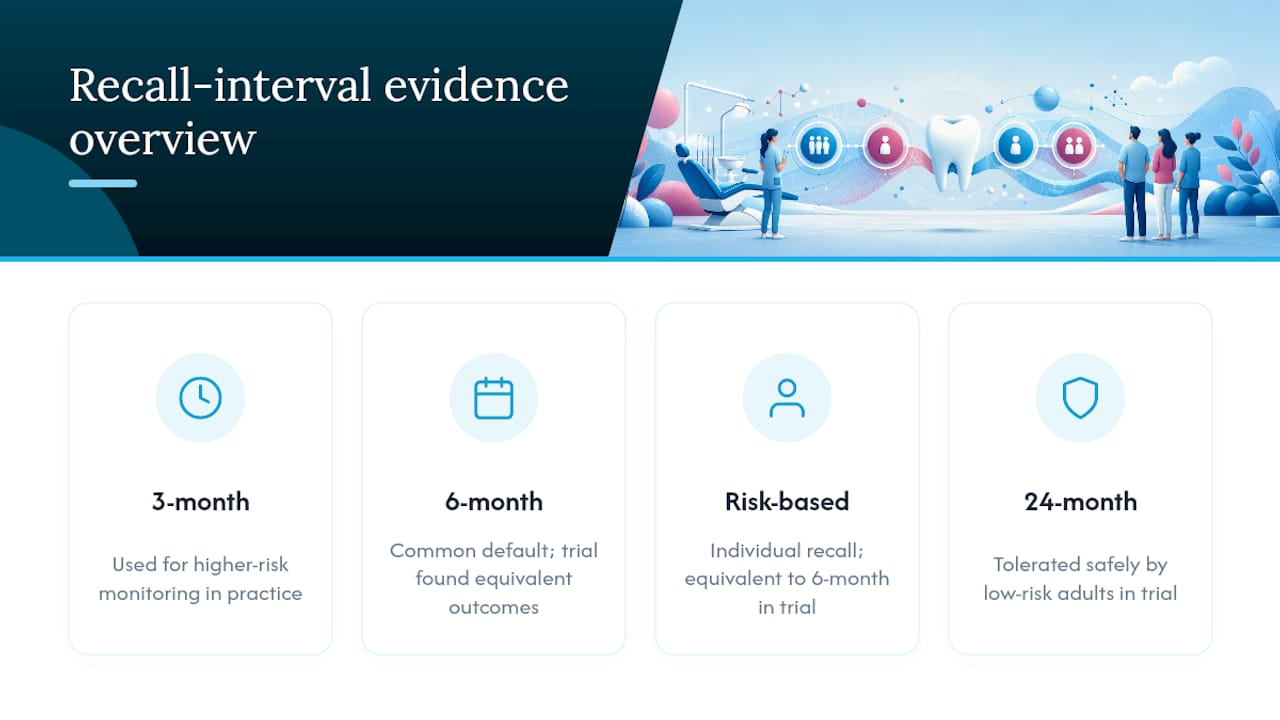
Not for everyone. A multi-center randomized trial comparing 6-month, 24-month, and risk-based recall intervals found little to no difference in tooth decay, gum bleeding, or oral-health-related quality of life over four years. That is the headline finding, and it upends a habit most patients never question.
Statistic Callout: Across a four-year randomized trial, patients recalled at intervals based on their individual risk showed outcomes essentially equivalent to those recalled every six months on a fixed schedule.
Low-risk patients in that research tolerated 24-month intervals safely, while higher-risk participants needed shorter windows to avoid deterioration. NIHR’s evidence summary echoes this: recall intervals used in practice already range from three months to two years, even though the six-month norm remains the default most people expect.
The caveats matter. This evidence applies mainly to adults; the picture for children and adolescents is less settled, and dental teams still lean toward more frequent monitoring during those developmental years. Results also vary by population and by how well a person keeps up with home care between visits. Patient preference counts too. Some people want the reassurance of a twice-a-year visit regardless of what their risk score says, and a good dentist will factor that into the plan rather than override it with a spreadsheet.
Who needs more frequent dental checkups?
Certain risk factors push your interval down, sometimes to every 3 to 4 months, because the underlying condition can progress quickly between visits.
- Active periodontal (gum) disease requiring maintenance therapy
- A history of rapid or recurrent decay
- Heavy plaque buildup despite consistent brushing
- Smoking or tobacco use
- Poorly controlled diabetes
- Dry mouth caused by medications
- Extensive restorations, crowns, or dental implants
- Orthodontic appliances like braces or clear aligners
Periodontal maintenance patients typically fall into that 3 to 4 month range because gum disease can advance silently between longer-spaced visits. Medications for blood pressure, depression, and allergies are common, overlooked culprits behind dry mouth, and dry mouth accelerates decay because saliva normally buffers acid and washes away bacteria.
Pro Tip: If you take a daily medication and notice your mouth feels dry most of the time, mention it at your next visit. Your dentist can adjust your recall interval or recommend a saliva substitute before decay starts.
How dentists set your recall schedule (and what it costs)
Dentists build your schedule from several objective inputs: periodontal charting, a caries risk assessment, radiographic findings, the condition of existing restorations or implants, how well you handle home hygiene, and relevant medical history like diabetes or immune conditions.
You can steer that conversation. Ask your dentist:
- What specific findings put me in my current risk category?
- Which factor would most likely shorten my interval if it worsened?
- What can I change at home to safely extend my next visit?
- Do my implants or restorations need separate hygiene visits?
- How will you track whether a longer interval is working?
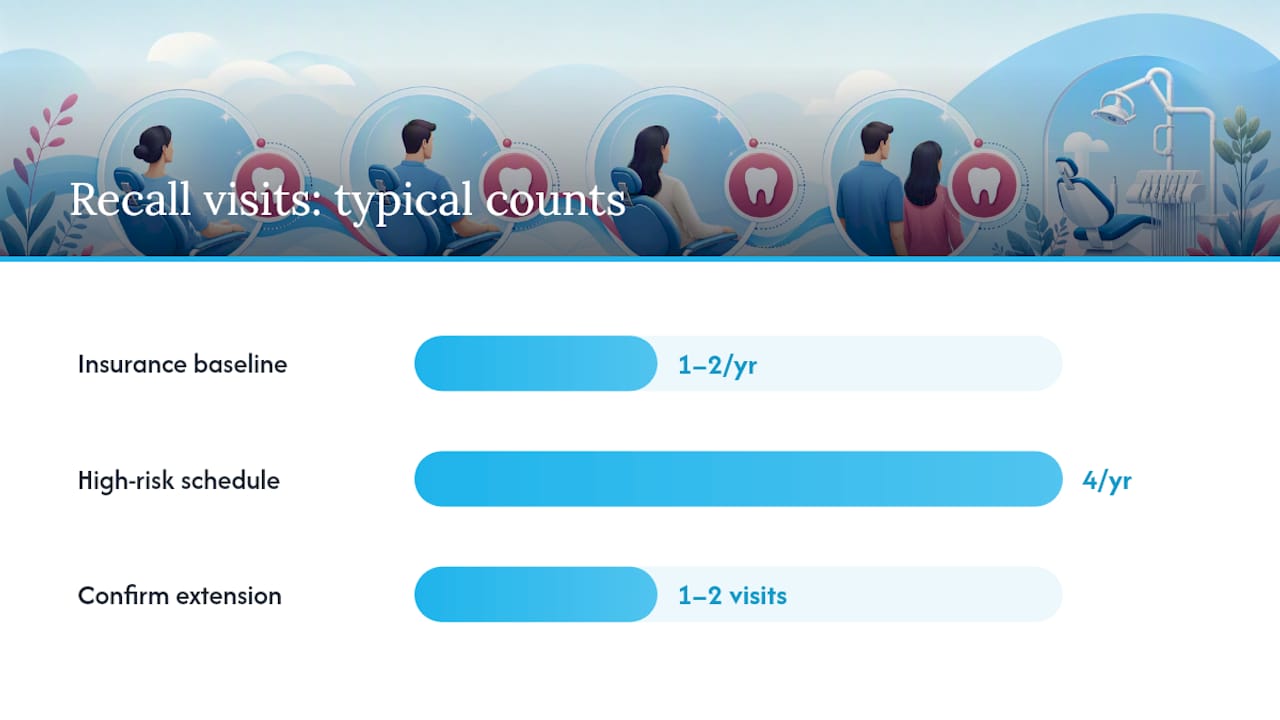
On cost: most dental insurance plans cover one or two routine exams and cleanings per year at little to no out-of-pocket cost, but they typically will not fully cover extra periodontal maintenance visits beyond that baseline. If your risk assessment calls for four visits a year instead of two, expect to budget for the difference or ask about membership plans that cover added hygiene visits. Interval changes are not permanent, either. A dentist reviewing new X-rays or periodontal measurements can adjust your schedule at any point, and it usually takes one or two consistent good checkups before they will extend your interval.
How Complete Dental Care personalizes your recall plan
Complete Dental Care builds recall schedules around your actual data, not a generic template. Digital records and 3D imaging let the team compare visit-over-visit changes precisely, so a longer interval for a low-risk patient is a documented decision, not a guess.
For patients with implants or extensive restorative work, hygiene visits get tailored around peri-implant tissue health and home-care effectiveness. Anxious patients aren’t left to just tough it out, either. Sedation and comfort-focused options exist specifically to keep people on schedule rather than avoiding care altogether. New patients can see how baseline data gets collected on their first visit.
Balancing evidence with peace of mind
Six-month visits give a lot of patients real reassurance, and that reassurance has value even when the research says a longer interval would be clinically fine. The better approach is a shared decision: your dentist brings the clinical findings and risk data, you bring your comfort level and history, and the interval you land on reflects both. Keeping your own notes on any changes between visits, bleeding, sensitivity, a rough edge on a filling, helps make longer intervals safe rather than risky.
— Complete Dental Care
Schedule an exam that fits your actual risk, not a guess
You shouldn’t have to choose between a generic twice-a-year appointment and flying blind on your own oral health. Complete Dental Care builds your recall plan from real findings: periodontal charting, digital imaging, and your history, whether that means standard checkups, closer periodontal maintenance, or specialized care for implants and restorations.

If dental anxiety has kept you from staying on schedule, ask about sedation and comfort-focused options when you book. Patients managing implants or extensive dental work can also get a maintenance plan built around their specific restoration needs. Ready to find out what interval actually fits your mouth? Schedule your exam with Complete Dental Care and get a recall plan based on your own data, not a default rule.
Sources
This guidance draws on the ADA’s recall recommendations, NIHR’s evidence review, and CDC visit-rate data. For hygiene specifics, see general preventive care at Complete Dental Care.
This article is general information, not a substitute for advice from a qualified doctor. Consult a qualified healthcare professional about your own circumstances before acting on anything here.
- Randomized trial comparing 6‑month, 24‑month and risk-based recall intervals — trial report
- Dental check-ups every six months are unnecessary for people at low risk of oral disease, research finds — NIHR Evidence