Expect roughly $3,000 to $6,000 all-in for a single implant, with the national average sitting at $4,507. All-on-4 full-arch treatment typically starts around $15,000 per arch, and full-mouth restoration (both arches) can run well past $30,000. Where you land in those ranges depends on three things: your state, your provider, and how much prep work your mouth needs before an implant can even go in.
Every implant quote is built from three core components, whether your dentist itemizes them or not:
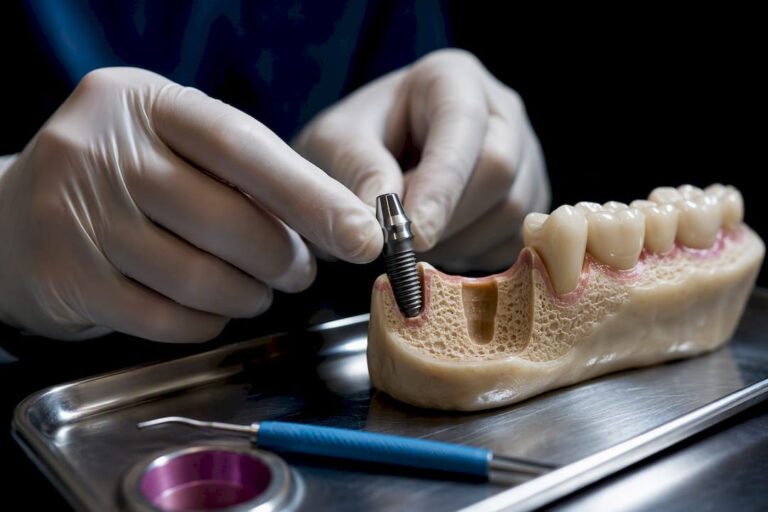
- Implant post and surgical placement — the titanium (or zirconia) post that fuses into your jawbone
- Abutment — the connector piece that links the post to your visible tooth
- Crown — the part that actually looks and functions like a tooth
Quick reality check: A 2026 multi-city survey found the nationwide median complete-implant cost lands near $4,000, but specialist-placed implants carried a lower median ($3,400) than those placed by general dentists ($4,800) in the markets sampled. Add a bone graft, sinus lift, or sedation, and your baseline quote can climb fast. That’s before imaging, lab fees, or a temporary prosthesis enter the picture.
Key Takeaways
Dental implant pricing depends on three controllable factors: provider type, treatment scope, and location, which together explain most of the difference between a $3,000 quote and a $6,000 one.
| Point | Details |
|---|---|
| Single implant baseline | Expect $3,000 to $6,000 all-in, with a national average near $4,507. |
| Three core components | Every quote should itemize the implant post, abutment, and crown separately. |
| Provider type matters | Specialist-placed implants had a lower median cost than general-dentist placements in a 2026 multi-city survey. |
| Location drives major swings | State averages range from about $3,759 to $5,733, correlating strongly with local cost-of-living. |
| Complete Dental Care approach | Offers 3D imaging, itemized written estimates, financing, and Teeth in a Day same-day full-arch treatment. |
Table of Contents
- Dental Implant Cost Breakdown by Component
- What Drives Your Final Implant Price
- Cost by Treatment Type: Single Tooth to Full Mouth
- Why Prices Swing So Much by State and City
- Insurance, Financing, and Ways to Lower the Bill
- Are Implants Really Worth the Higher Upfront Cost?
- How Complete Dental Care Builds an Itemized Implant Estimate
- What This Cost Data Actually Means for Your Decision
- Get an Itemized Implant Quote You Can Actually Compare
- Sources
Dental Implant Cost Breakdown by Component
A single quoted number hides more than it reveals. Ask any clinic for an itemized estimate, and you’ll typically see these line items broken out, or bundled together in ways that make comparison shopping harder than it should be.
- Implant post and placement surgery ($1,500 to $3,000). This covers the surgical procedure, the implant itself, and the surgeon’s time. It’s usually the single biggest line item.
- Abutment ($300 to $500). Some labs and clinics bundle this into the crown fee; others list it separately, which is why two quotes for the “same” procedure can look wildly different on paper.
- Crown ($1,000 to $3,000). Zirconia and porcelain-fused-to-metal crowns sit at different price points, and a crown made by an in-house lab often costs less than one outsourced to a specialty lab.
- Diagnostic imaging (CBCT scans, 3D planning) ($200 to $800). Some practices fold this into the overall treatment fee; others charge it upfront during the consultation.
- Lab fees. These get marked up more than patients expect, especially for custom abutments or same-day temporary crowns.
- Anesthesia or sedation, priced separately from the surgical fee in most practices, and often not mentioned until the treatment plan is finalized.
- Follow-up visits and adjustments. Healing checks and bite adjustments are sometimes included in the original quote, sometimes billed per visit.
Industry pricing guides put single-tooth implant totals between roughly $3,000 and $6,000, and that range only holds if nothing unexpected shows up on your scan. The most common surprise fee isn’t listed above at all: a temporary prosthesis to wear while the implant heals, which some practices include and others bill as an add-on running several hundred dollars. Dental cost trackers consistently flag the same issue: many practices quote only the placement fee and leave abutment and crown pricing for later, so always ask for an all-in number before you agree to anything.
What Drives Your Final Implant Price
Two patients can walk into the same clinic and get quotes $2,000 apart. Here’s what actually moves the number.
- Number of implants and treatment scope. A single tooth costs less per unit than a full-arch case, but full-arch treatment often costs less per implant overall since the surgical and lab work is shared across the arch.
- Provider type. The Dental Economics data above shows specialists pricing lower on median than general dentists in the same markets, likely reflecting volume and workflow efficiency rather than lower quality.
- Materials and prosthetic choice. Titanium posts remain the standard; zirconia costs more upfront but appeals to patients avoiding metal. Crown material shifts the price further.
- Preparatory procedures. Bone grafts, sinus lifts, and extractions are common, not rare, additions, and each one adds its own separate fee.
- Technology and facility fees. CBCT imaging and guided surgery add precision and cost. Practices with in-house digital scanning sometimes absorb part of that cost into overall efficiency rather than passing it straight to you.
Pro Tip: Ask whether your quote already includes imaging and any anticipated bone grafting. A “low” initial number that excludes prep work isn’t actually the lower price, it’s just an incomplete one.
Cost by Treatment Type: Single Tooth to Full Mouth
Your treatment type sets the baseline before any of the variables above even apply.
- Single tooth: roughly $3,000 to $6,000 all-in. Extractions, grafting, or a premium crown material push it toward the top of that range.
- Implant-supported bridge: used when replacing several adjacent missing teeth without an implant under every single tooth. Pricing runs higher than one implant but lower than replacing each tooth individually, since two or three implants can anchor a multi-tooth bridge.
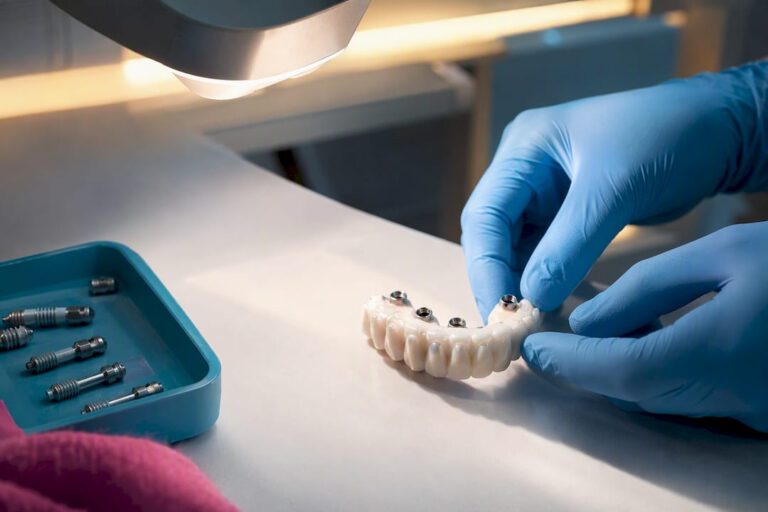
- All-on-4 (per arch): typically starts around $15,000 and can reach $27,000 or more depending on materials and market, per industry compilations. The per-tooth economics improve dramatically here since four implants support an entire arch of teeth.
- Full mouth (both arches): often exceeds $30,000 to $50,000+ combined. Staging treatment, doing one arch first, spreads the financial hit and gives you time to evaluate healing before committing to the second arch.
Why Prices Swing So Much by State and City
Location explains more of the price spread than most patients assume. The 2026 open dataset puts the single-implant national average at $4,507, with Alabama averaging around $3,759 and California running as high as $5,733. That’s a $2,000 swing for the same procedure.
The correlation isn’t random. The dataset shows a Pearson correlation of 0.836 between implant pricing and local cost-of-living, meaning overhead, rent, and staff wages largely explain the gap. City-level data tells a sharper story: RealDentalCosts’ 2026 report documents an 83% spread between the cheapest and most expensive cities for a single implant, with some markets averaging near $3,000 and others closer to $5,500.
- Compare quotes from clinics in your metro area before assuming a single number is standard.
- Traveling to a nearby lower-cost market can save money, but factor in travel costs and the number of visits your treatment plan requires.
- A dramatically low quote outside your usual market is worth double-checking against what’s actually included.
Insurance, Financing, and Ways to Lower the Bill
Dental insurance rarely covers implants the way people expect. Many PPO plans classify implants as major restorative work, which typically means partial reimbursement, not full coverage, and the payout is capped by your plan’s annual maximum. If your annual maximum is $1,500 and your implant costs $4,500, insurance covers a fraction, and you’re responsible for the rest.
A few strategies consistently reduce out-of-pocket cost:
- Use an HSA or FSA. These tax-advantaged accounts let you pay with pre-tax dollars, which effectively discounts the procedure by your tax rate.
- Ask about in-house financing or third-party lenders. Many practices offer payment plans, and dedicated healthcare lenders sometimes offer promotional interest-free periods.
- Consider a membership or savings plan if you’re uninsured. These plans, offered directly through some dental practices, discount restorative work without the annual maximum limitations of traditional insurance.
- Stage treatment across calendar years to use two annual maximums instead of one, if your plan and timeline allow it.
Before booking anything, ask your insurer these questions directly: Is my provider in-network? Which specific procedure codes are covered as major restorative? Is there a waiting period for major services? What’s my remaining annual maximum this year? Reviewing your coverage details before treatment avoids billing surprises after the fact.
Are Implants Really Worth the Higher Upfront Cost?
Implants cost more upfront than a bridge or a denture, sometimes several times more. But the comparison shifts once you factor in what happens over a decade.
Dentures typically need relining or replacement every five to eight years, and bridges often require redoing when the anchor teeth fail. Implants, properly placed and maintained, are designed to last for decades. The AAID notes that implants also help preserve jawbone density, something bridges and dentures don’t do, which avoids the facial changes and follow-up dental work that bone loss eventually causes.
Run the math on a denture replaced twice over 15 years versus one implant placed once, and the “cheaper” option often isn’t cheaper at all by year ten.
How Complete Dental Care Builds an Itemized Implant Estimate
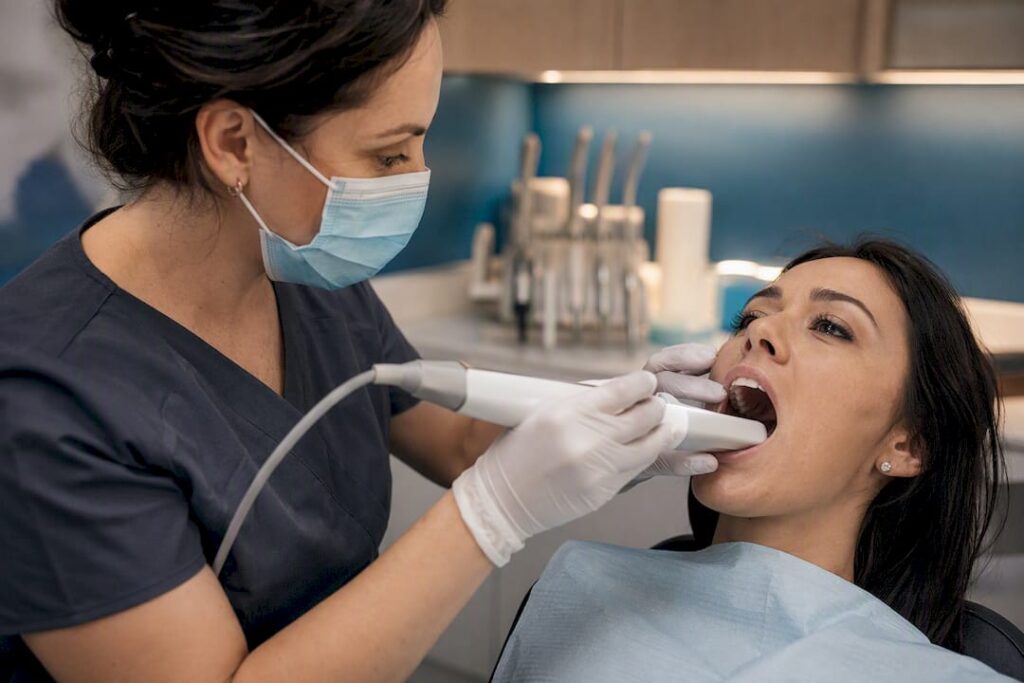
Complete Dental Care starts every implant case with 3D imaging and digital scanning, the same technology referenced throughout this breakdown, to map your bone density and identify whether grafting or a sinus lift will factor into your plan before any price is quoted. That diagnostic step is what separates a real estimate from a rough guess.
From there, patients get a written, itemized quote covering the implant, abutment, crown, and any prep work, so nothing shows up as a surprise mid-treatment. The practice’s surgical implant dentistry team also walks patients through financing options and membership plans on the same visit, so cost conversations happen before treatment starts, not after.
Pro Tip: Bring your insurance card and ask for a pre-treatment estimate in writing. A same-day answer beats a surprise bill three weeks later.
What This Cost Data Actually Means for Your Decision
Most implant pricing guides lead with the scariest number they can find, then bury the nuance. The real story is less dramatic and more useful: your final price is mostly explained by three factors, where you live, who places the implant, and how much prep work your jaw needs, and two of those three are things you can actually shop around.
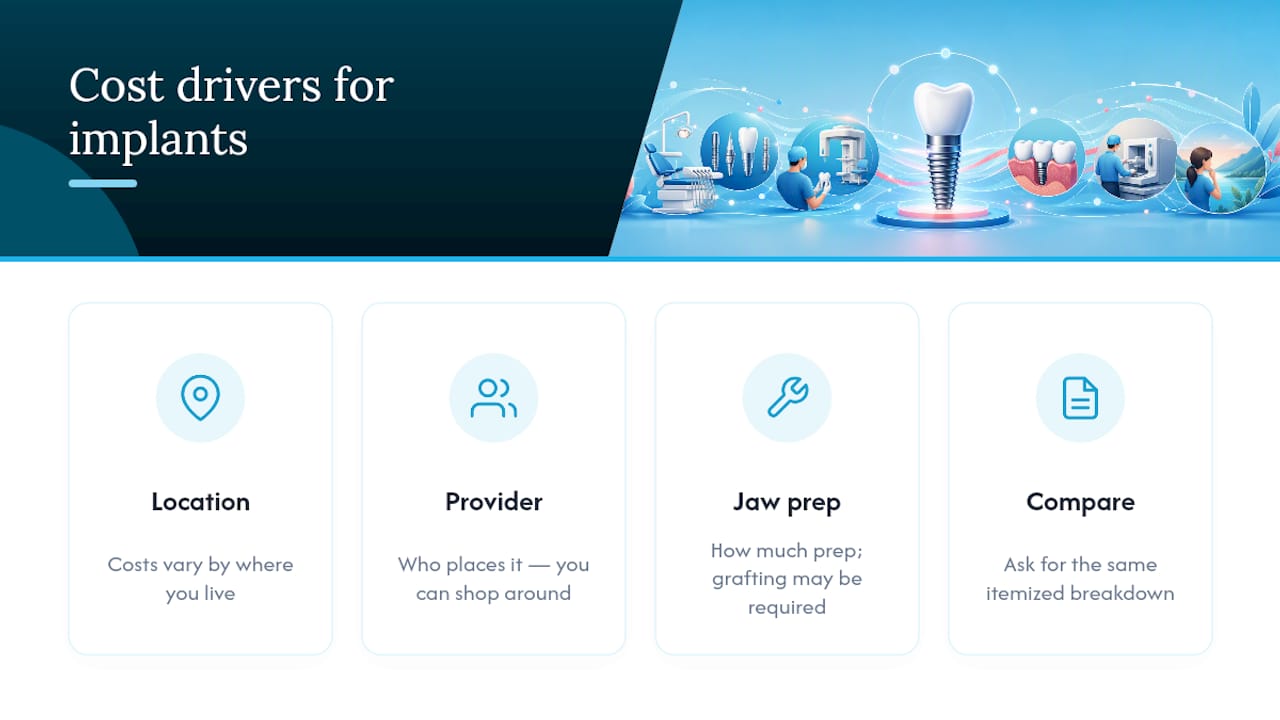
The conventional advice, “get three quotes,” undersells the point. Getting three quotes only works if you’re comparing apples to apples, which means asking every office for the same itemized breakdown: implant, abutment, crown, imaging, and any anticipated grafting. A $3,200 quote that excludes a needed bone graft isn’t actually cheaper than a $4,500 quote that includes it.
If you take one thing from this breakdown, make it this: an in-person evaluation with 3D imaging is the only way to know your real number, because the AAID is right that no two implant cases are identical. Everything else here is a starting point for that conversation, not a substitute for it.
— Complete Dental Care
Get an Itemized Implant Quote You Can Actually Compare
Complete Dental Care builds every implant estimate around your specific scan, not a generic price list, so you see the real breakdown, implant, abutment, crown, and any prep work, before you commit to anything.
For patients missing most or all of their teeth, the practice’s Teeth in a Day protocol delivers a same-day full-arch solution using the same 3D planning and digital scanning discussed throughout this breakdown, often at a lower total cost than staging multiple separate procedures over many months. Financing options, membership savings plans, and insurance benefit checks are available on the same visit as your consultation, so cost questions get answered before treatment begins rather than after. If you’re ready to see your actual numbers instead of a national average, schedule a consultation with Complete Dental Care and walk out with a written, itemized estimate specific to your case.
Sources
- Value and Cost – AAID (American Academy of Implant Dentistry)
- State of U.S. Dental Costs 2026: Prices by State — RealDentalCosts