Implant-supported dentures typically run $6,000 to $20,000 per arch, with removable overdentures on the low end and fixed full-arch bridges pushing toward the top. A complete upper-and-lower reconstruction with a fixed prosthesis often lands between $24,000 and $50,000, depending on how many implants you need and whether bone grafting enters the picture.
Those numbers usually cover implant placement, the abutments that connect implant to prosthesis, the denture or bridge itself, and lab fabrication fees. They often exclude extractions, bone grafts, sedation, and follow-up adjustments, which is exactly why two quotes for what sounds like the same treatment can differ by thousands of dollars.
Here’s how the brackets typically shake out:
- Budget removable (2-implant snap-in): roughly $6,000 to $10,000 per arch
- Midrange overdenture (4 implants): roughly $10,000 to $16,000 per arch
- Fixed full-arch (All-on-4 style): roughly $15,000 to $30,000 per arch
Pro Tip: Ask every provider for a written, itemized estimate before you compare prices. A bundled “package” number hides which fees you’re actually paying for and makes side-by-side comparison nearly impossible.
National averages from consumer pricing data put the typical figure near $12,000 per arch, though your final bill depends heavily on your bone health, implant count, and where you live.
Key Takeaways
Implant-supported denture pricing depends far more on implant count, prosthesis type, and grafting needs than on any single national average.
| Point | Details |
|---|---|
| Expect a wide range | Per-arch cost typically runs $6,000 to $20,000, with fixed full-arch bridges at the top of that range. |
| Get itemized estimates | Ask for separate line items on implants, abutments, prosthesis, lab fees, and grafting before comparing quotes. |
| Think in decades, not years | Implant overdentures often become more cost-effective than conventional dentures over a 10 to 20 year horizon. |
| Budget for maintenance | Plan for locator insert replacements every 6 to 18 months and a prosthesis remake within 5 to 10 years. |
| Start with imaging-based planning | Completedentalcare uses in-house 3D imaging to build itemized estimates and offers Teeth in a Day and financing options. |
Table of Contents
- What Drives the Cost of Implant Supported Dentures?
- How Much Do Different Types of Implant Dentures Cost?
- Why Do Quotes for the Same Treatment Vary So Much?
- Are Implant Dentures Worth the Extra Cost Over Time?
- Financing and Insurance for Implant Dentures
- How Long Does the Implant Denture Process Take?
- What Does Aftercare Cost Over the Life of Implant Dentures?
- What Should You Ask Before Accepting an Implant Denture Quote?
- What Does the Research Say About Long-Term Value?
- A Clinician’s View on Comparing Implant Denture Prices
- How Complete Dental Care Approaches Implant Denture Costs
- Frequently Asked Questions
- Sources
What Drives the Cost of Implant Supported Dentures?
A single headline number rarely tells you what you’re actually buying. The total bill for implant-supported dentures is a stack of separate charges, and understanding each layer is the fastest way to spot a lowball quote or an inflated one.
Implant fixtures (the titanium posts placed in your jawbone) are usually priced per implant, and that count is the single biggest lever on your total. A two-implant overdenture and a six-implant fixed bridge start from very different baselines before anything else is added.
Abutments connect the implant to the prosthesis above the gumline. Surgical placement fees cover the procedure itself, including any sedation used that day. The prosthesis (removable overdenture or fixed bridge) is priced separately, and material choice, acrylic versus zirconia, moves this number substantially. Lab fees for fabricating and fitting that prosthesis often get folded into the total but deserve their own line.
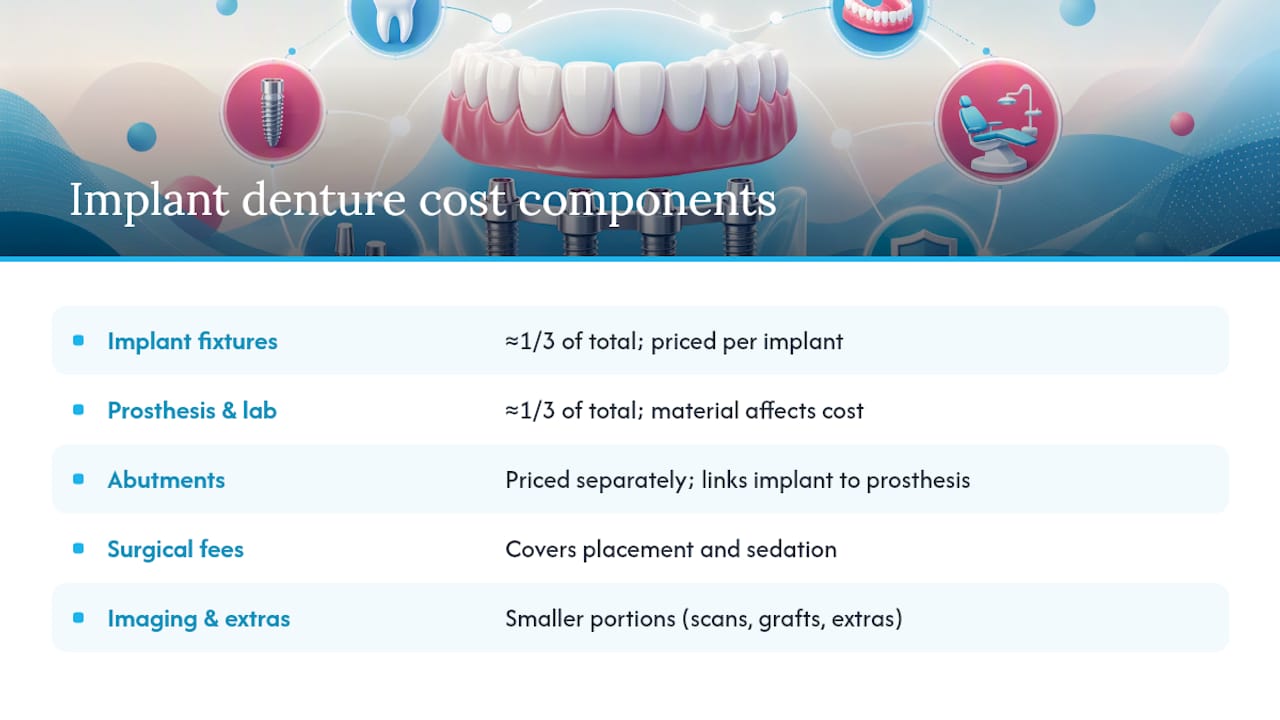
Then there’s the supporting cast: imaging and 3D scans, a temporary prosthesis to wear during healing, extractions if you have remaining teeth, and bone grafting or a sinus lift if your jaw doesn’t have enough density to support implants.
Clinics package these differently. Some quote an “all-in” bundled price; others itemize every component. According to guidance on how clinics allocate implant overdenture costs, unbundled estimates make it far easier to compare providers, since a bundled number can quietly bury a high specialist or lab fee inside a rounder total. One pricing breakdown found roughly a third of the total commonly goes to implant placement, with a similar share to the prosthesis and lab work, and smaller portions to imaging and sedation.
CareCredit’s cost tables note that some consumer surveys report average implant-supported denture costs closer to the low thousands for simpler overdentures, which lines up with the wide range above.
How Much Do Different Types of Implant Dentures Cost?
Not all implant-supported dentures are the same treatment wearing different names, and the price gap between categories can be enormous. Here’s what typically separates them.
An implant-retained overdenture (also called a snap-in denture) clips onto two to four implants and comes off for cleaning. It’s removable, less invasive to place, and the least expensive implant option. A fixed full-arch prosthesis, often marketed under names like All-on-4, screws permanently onto four to six implants and never comes out except for professional maintenance. Mini implants are a narrower, less invasive alternative sometimes used for overdentures in patients with limited bone or medical constraints, at a lower upfront cost. Single implants with crowns address partial tooth loss rather than a full arch, so they’re a different budget conversation entirely.
- Overdentures typically need fewer implants and less surgical complexity, which keeps costs down.
- Fixed bridges need more implants, more precise placement, and pricier lab work, which is why they often cost two to three times more than a comparable overdenture.
- Mini-implant protocols show lower initial pricing, but a systematic review of mandibular two-implant-retained overdentures found that mini-implant data lacks the long-term survival and maintenance evidence that exists for standard implants.
The biggest gap sits between a basic two-implant overdenture and a fixed full-arch bridge. If your quote falls well outside these bands in either direction, that’s worth a second conversation before you sign anything.
Why Do Quotes for the Same Treatment Vary So Much?
Two patients can walk into two different offices asking for “the same thing” and walk out with quotes that differ by $10,000 or more. The variation almost always traces back to a handful of factors.
Patient-specific factors carry the most weight. Bone quality determines whether you need a graft or sinus lift before implants can even go in. The number of extractions required before treatment adds surgical time and fees. General health and smoking status affect healing predictability, which some providers factor into their planning and follow-up costs.
Clinic and provider factors matter almost as much. A prosthodontist or oral surgeon with specialized full-arch training often charges more than a general dentist, but that premium sometimes buys more predictable outcomes on complex cases. Lab quality and material choice (acrylic teeth versus zirconia) change the prosthesis price directly. Digital, guided-surgery workflows using 3D imaging can add planning fees upfront while reducing surgical surprises later.
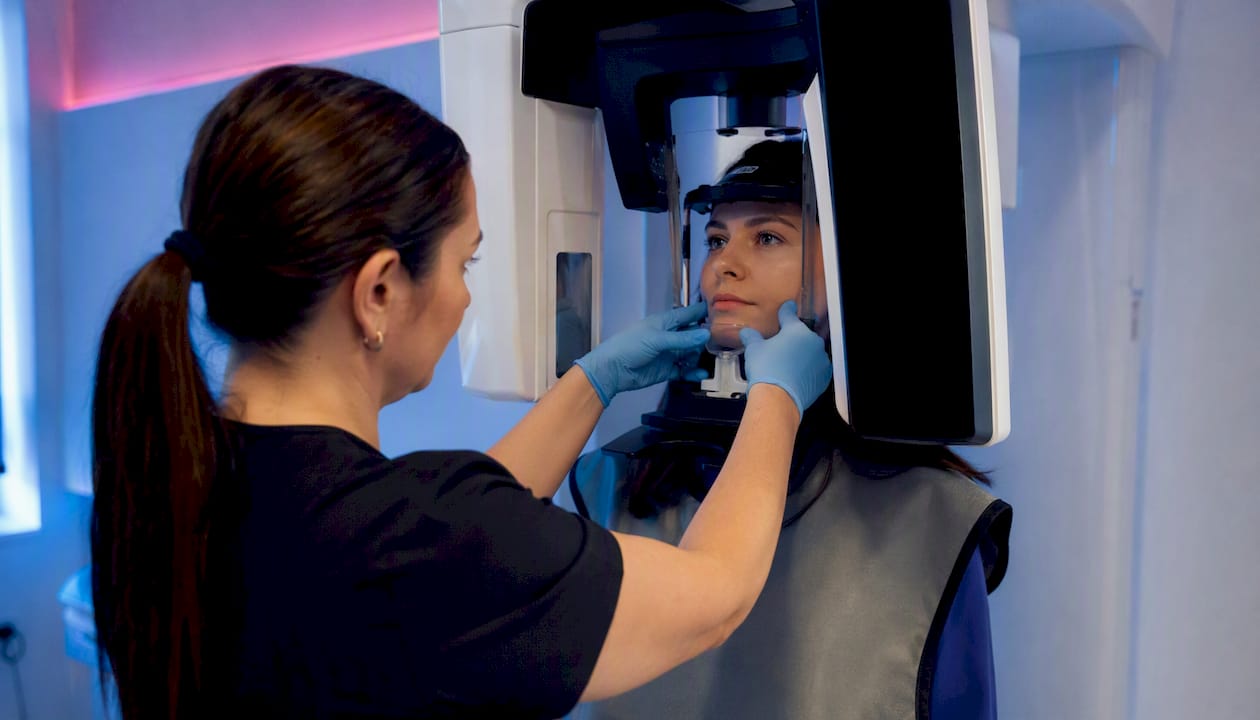
Geography and facility type round out the picture. Local cost of living shifts baseline pricing region to region, and an outpatient surgical center is typically less expensive than a hospital operating room for the same procedure.
Pro Tip: When comparing quotes, normalize the numbers by requesting a written breakdown of implants, abutments, lab fees, anesthesia, and post-op visits. A “$15,000” quote and a “$15,000” quote are not comparable until you see what’s actually inside each one.
Are Implant Dentures Worth the Extra Cost Over Time?
Conventional dentures win on day one. They’re cheaper to make, faster to deliver, and require no surgery. Implant-supported options cost more upfront because you’re paying for surgical placement and osseointegration, the process where bone fuses to titanium.
The math changes over time. Traditional dentures need relines roughly every couple of years, at about $450 each, plus ongoing adhesive purchases and eventual full remakes as your jawbone naturally resorbs without tooth roots stimulating it. Implant overdentures need occasional locator insert replacements, generally $50 to $200 each, a fraction of a reline. Research on mandibular two-implant-retained overdentures concluded they’re more expensive initially but more cost-effective overall than conventional dentures once you account for that recurring maintenance gap.
The crossover point, where cumulative implant costs dip below cumulative denture costs, tends to occur over a period of about a decade or more, according to long-term cost modeling in the same research. That’s a long horizon, and it’s worth being honest that short-term data tells a different story: a randomized pilot study on prosthetic rehabilitation options found that a basic two-implant overdenture remained the least costly option after just one year, with no meaningful difference in maintenance costs between protocols during that short window.
- Function and chewing stability improve significantly with implant support, which affects diet and nutrition over years, not just comfort.
- Implants help preserve jawbone density, while conventional dentures accelerate bone loss.
- Quality-of-life gains from a stable, non-slipping prosthesis are real but harder to put a dollar figure on than a reline receipt.
Financing and Insurance for Implant Dentures
Most dental insurance plans treat implants as a separate benefit category from routine care, often with a lower annual maximum and possible waiting periods or exclusions for the implant fixture itself, even when the prosthesis is partially covered. Medicare typically doesn’t cover dental implants at all, and Medicaid coverage varies significantly by state and age. That gap is exactly why financing conversations matter as much as insurance ones.
CareCredit and similar medical credit cards are common ways patients spread out implant costs, often with promotional no-interest windows for qualifying applicants. In-house payment plans, offered directly by many practices, let you pay over time without a third-party lender. FSA and HSA funds can also apply to implant treatment since it’s a qualified medical expense.
Practical steps worth taking before you commit: request the procedure codes for your treatment plan and ask your insurer for a predetermination, a written estimate of what they’ll actually pay before you start. Get an itemized estimate for each stage of treatment, since predetermination submissions typically need that level of detail. Understanding your insurance benefits before treatment starts saves you from surprise balances later, and reviewing available financing structures upfront helps you compare the real cost of a payment plan against a lump sum.
Pro Tip: Compare the total financed amount and interest, not just the monthly payment. A 0% promotional rate can turn into a high retroactive interest charge if the balance isn’t paid off within the promotional window, and some plans exclude lab or specialist fees from the financed total.
How Long Does the Implant Denture Process Take?
The timeline runs in stages, and each one affects both your calendar and your final bill.
- Consultation and imaging — a 3D scan maps your bone density and nerve locations to plan implant placement.
- Preparatory work — extractions or bone grafting happen here if needed, often requiring several months of healing before implants can go in.
- Implant placement — the surgical appointment itself, typically one to two hours per arch.
- Healing and osseointegration — bone fuses to the implants over three to six months.
- Attachment and prosthesis delivery — your final overdenture or fixed bridge is fitted and adjusted.
Same-day protocols like Teeth in a Day let you leave with a functional provisional prosthesis on the day of surgery, compressing the visible timeline dramatically. But immediate-load options generally cost more and require sufficient bone density and implant count to support that day-one loading. Staged protocols, by contrast, can stretch to four to eight months from first consultation to final delivery.
If sedation is part of your surgical day, arrange transportation in advance and expect to take the following day off work.
What Does Aftercare Cost Over the Life of Implant Dentures?
The implants themselves, if you keep up with hygiene and regular checkups, commonly last decades. What wears out is everything attached to them.
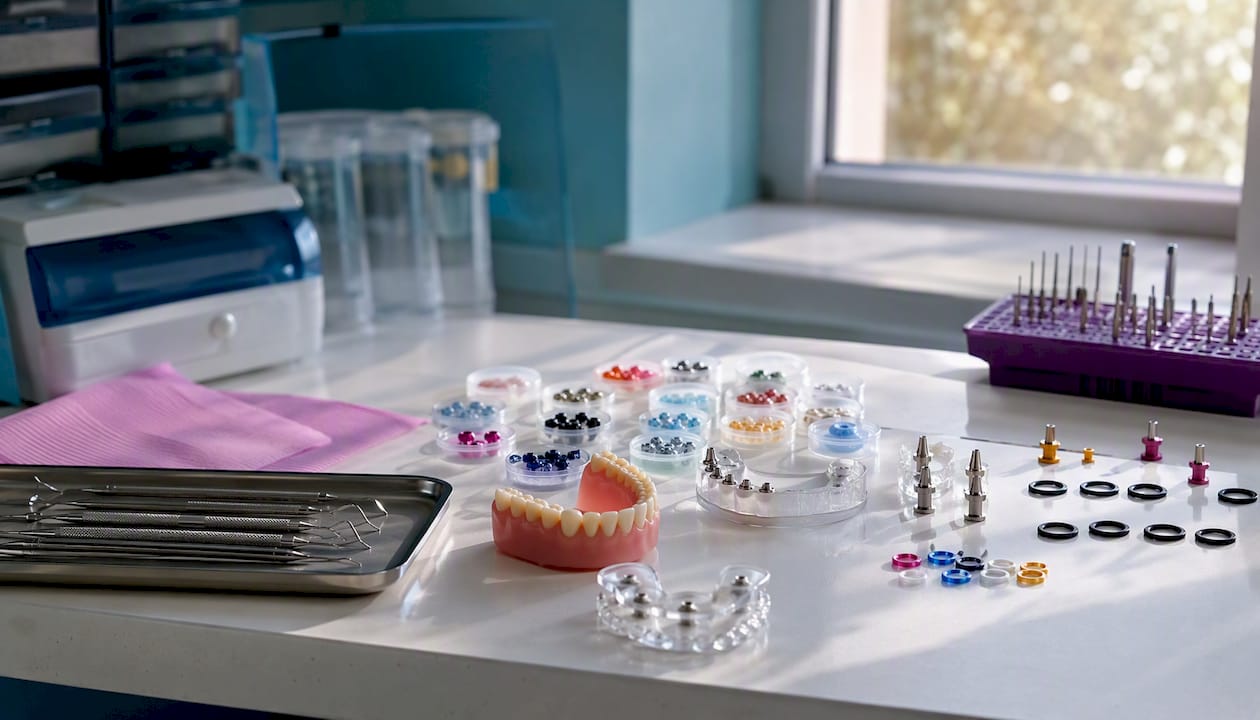
Locator inserts and O-rings (the small components that let a removable overdenture snap onto its implants) typically need replacement every 6 to 18 months as they lose their grip. Denture relines on removable overdentures commonly happen every one to two years to maintain fit as your gum tissue changes. A full prosthesis remake, new denture teeth or a new fixed bridge, is often needed within 5 to 10 years, even though the implants underneath stay put.
Budget for a modest annual maintenance line item covering cleanings and insert checks, then plan separately for a larger remake expense once you’re several years in. Pro Tip: Sticking to your scheduled maintenance visits does more than protect your prosthesis. It’s also one of the best ways to catch early signs of implant strain before they turn into a failed implant, which is a far more expensive problem than a worn locator insert.
What Should You Ask Before Accepting an Implant Denture Quote?
Getting quotes that actually compare to each other takes a specific list of questions, not a general “what’s the total?”
- Ask for a written breakdown covering implants, abutments, prosthesis, lab fee, imaging, anesthesia, and grafting as separate line items.
- Request the dental procedure codes used for your treatment plan, which your insurer needs for predetermination.
- Ask for an estimated timeline for each stage, from consultation through final delivery.
- Confirm whether the quote includes potential contingency work, like grafting that might become necessary once your provider sees your bone density up close, or whether that’s billed separately if needed.
- Ask about prosthesis warranties and what follow-up visits are included versus billed extra.
Get at least two quotes before deciding, and weigh provider type alongside price. A general dentist and a prosthodontist may quote very differently for the same full-arch case, and that gap often reflects real differences in training for complex reconstructions.
What Does the Research Say About Long-Term Value?
The strongest evidence on cost-effectiveness comes from research that tracks patients well past the first year, since short-term data tends to favor whichever option costs less upfront.
Two-implant-retained overdentures cost more initially than conventional complete dentures, but a systematic review of nine studies concluded they deliver better cost-effectiveness overall once recurring maintenance and replacement costs are factored in across the following years.
That’s the core finding from research on mandibular two-implant-retained overdentures, and it lines up with cost modeling suggesting the financial crossover point, where implants become cheaper than dentures cumulatively, typically falls in the 10 to 20 year range.
The caveat worth taking seriously: much of the supporting data comes from studies with modest sample sizes and follow-up windows shorter than a decade, and a short-term randomized pilot found a basic overdenture still cheapest after just one year with maintenance costs nearly identical across protocols. Your actual outcome depends on your case, your maintenance habits, and how well you stick to follow-up visits.
A Clinician’s View on Comparing Implant Denture Prices
Patients often ask which option is “cheapest,” but that’s the wrong first question. The right one is which plan holds up functionally for the next 10 or 15 years without repeated repairs. Some higher-priced treatment plans, particularly full-arch fixed options placed with proper bone grafting where needed, cost more today because they’re built to avoid the remakes and relines that quietly add up on lower-cost paths.
Before choosing a provider, ask for a written plan, confirm the implant brand and type being used, and for complex full-arch cases, verify whether a prosthodontist is involved. That single question filters out a lot of risk.
How Complete Dental Care Approaches Implant Denture Costs
Getting an accurate number for implant-supported dentures usually means sitting down with in-house 3D imaging that maps your bone density before anyone quotes a price, not after. Completedentalcare builds treatment plans this way, using digital scans to determine implant count and grafting needs upfront so your estimate reflects your actual anatomy instead of a generic average.
Patients comparing providers usually care about the same things: an itemized estimate they can actually read, coordination with specialists when a case needs a prosthodontist, and a clear maintenance schedule after delivery. Completedentalcare offers same-day Teeth in a Day provisional options for qualifying cases, full surgical implant dentistry for staged treatment, and financing support for patients who want to spread out the cost rather than pay in full upfront.
If you want a real number instead of a national average, schedule a consultation at Complete Dental Care and ask for a written, itemized estimate before you commit to any plan.
Frequently Asked Questions
What is the average cost of implant-supported dentures per arch?
Most patients pay between $6,000 and $20,000 per arch, with removable overdentures at the lower end and fixed full-arch bridges at the higher end. Consumer pricing aggregators report national averages near $12,000 per arch.
How much does a full mouth of implant-supported dentures cost?
A complete upper-and-lower fixed prosthesis typically runs $24,000 to $50,000 total, depending on implant count, grafting needs, and prosthesis material.
Does insurance cover implant-supported dentures?
Dental insurance often treats implants as a separate benefit category with its own annual maximum, and many plans exclude implant fixtures entirely while covering some prosthesis costs. Medicare generally doesn’t cover implants, and Medicaid coverage varies by state.
Are implant-supported dentures cheaper than traditional dentures in the long run?
Traditional dentures cost less upfront but require recurring relines and adhesive purchases. Research suggests implant overdentures become more cost-effective over a 10 to 20 year period due to lower recurring maintenance costs.
What financing options exist for implant dentures?
Common options include CareCredit and similar medical credit cards, in-house payment plans through your dental practice, third-party lenders, and FSA or HSA funds, since implant treatment qualifies as a medical expense.
How long do implant-supported dentures last?
Implants themselves often last decades with proper hygiene and regular checkups. The prosthesis attached to them, whether removable or fixed, typically needs a remake within 5 to 10 years.
This article is general information, not a substitute for advice from a qualified doctor. Consult a qualified healthcare professional about your own circumstances before acting on anything here.
Sources
- Long-term costs and maintenance for implant-supported overdentures — PMC
- Cost and cost-effectiveness of mandibular two-implant-retained overdentures — PubMed
- Comparative cost analysis of different prosthetic rehabilitations for the edentulous maxilla — BDJ Open (2022)
- Implant-Supported Dentures Cost: $12,000 Avg in 2026 ($6,000–$20,000) — SurgeryCostGuide
- Types of dentures and average costs — CareCredit (2024)